
Where the photos go
You are not paying too much for clicks. You are paying too much for bad creative.
Targeting on Meta has been largely automated for years. The machine decides who sees your ad. What you still control, almost entirely, is what they see. Creative is the last big lever in a paid campaign, and it is the one most small advertisers never pull.
How this actually costs you money
Ad platforms price by auction, and the auction is not purely about your bid. Meta and Google both reward creative that people engage with, by showing it more often for less. Creative people scroll past gets shown less and charged more.
So a weak photograph does not just underperform. It raises your cost per click on the same audience, with the same budget, chasing the same customer. You end up concluding that ads do not work for your business, when what did not work was one mediocre image run for six weeks.
Most small advertisers run one image until it dies, then blame the platform. The platform was telling them something.
Creative fatigue is real and it is fast
In a local market you are hitting a small audience repeatedly. The same people see the same picture several times a week, and performance falls off measurably within two to four weeks. Not because the photo got worse, but because they have seen it. The answer is a library deep enough to rotate, which is a shoot decision, not an ad-account decision.
The formats
One photograph is not one ad
A single campaign needs the same subject in several shapes, because the placements are different shapes and the platform will crop for you if you do not. Letting it crop for you is how the product ends up out of frame.
| Ratio | Where it runs | What it needs |
|---|---|---|
| 9:16 vertical | Stories, Reels, Shorts, TikTok | Subject centred, top and bottom sixth kept clear of interface |
| 4:5 portrait | The feed. The most valuable single shape | Fills the most phone screen of any feed format |
| 1:1 square | Feed, carousels, marketplace | The safe fallback that crops cleanly both ways |
| 1.91:1 landscape | Right column, Search partners, display | Wide, with space for an overlay |
| Performance Max set | Google, everywhere at once | Google needs all of the above or it limits your reach |
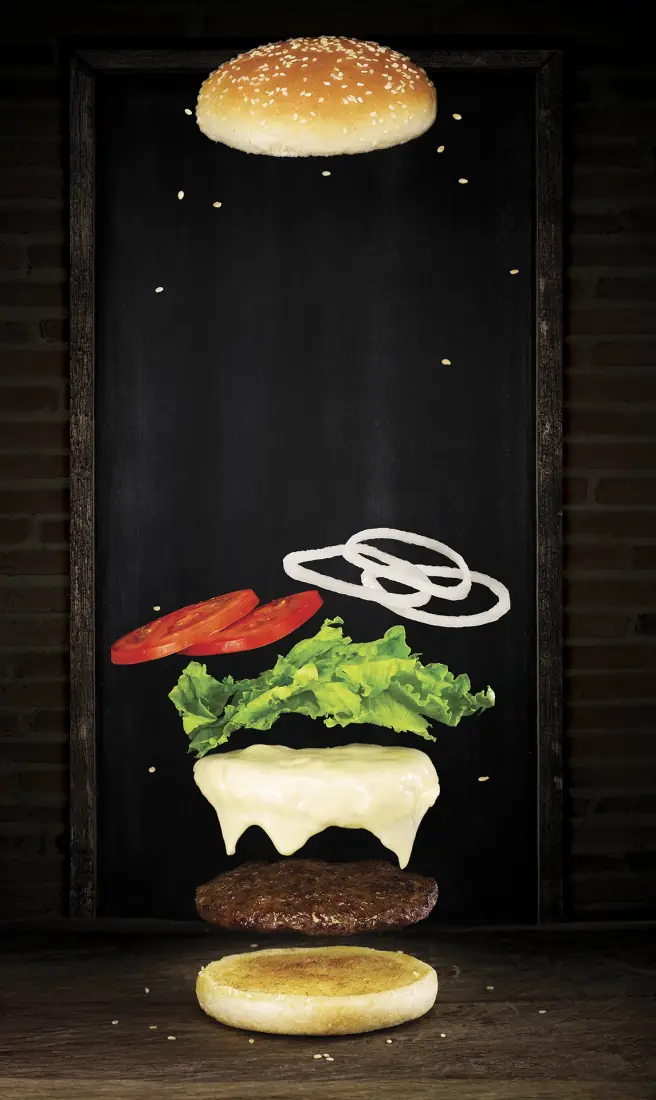
This is the practical reason we brief a shoot against a media plan. Shooting the hero dish once, deliberately framed so it can be cut to all five, costs the same day rate. Discovering afterwards that nothing crops to vertical costs another shoot.
What we shoot for a campaign
Enough to actually test something
- Every hero subject captured in vertical, portrait, square and landscape from the same setup
- Two or three genuinely different treatments per product, so there is something real to test
- Frames with deliberate empty space for a price, an offer or a headline overlay
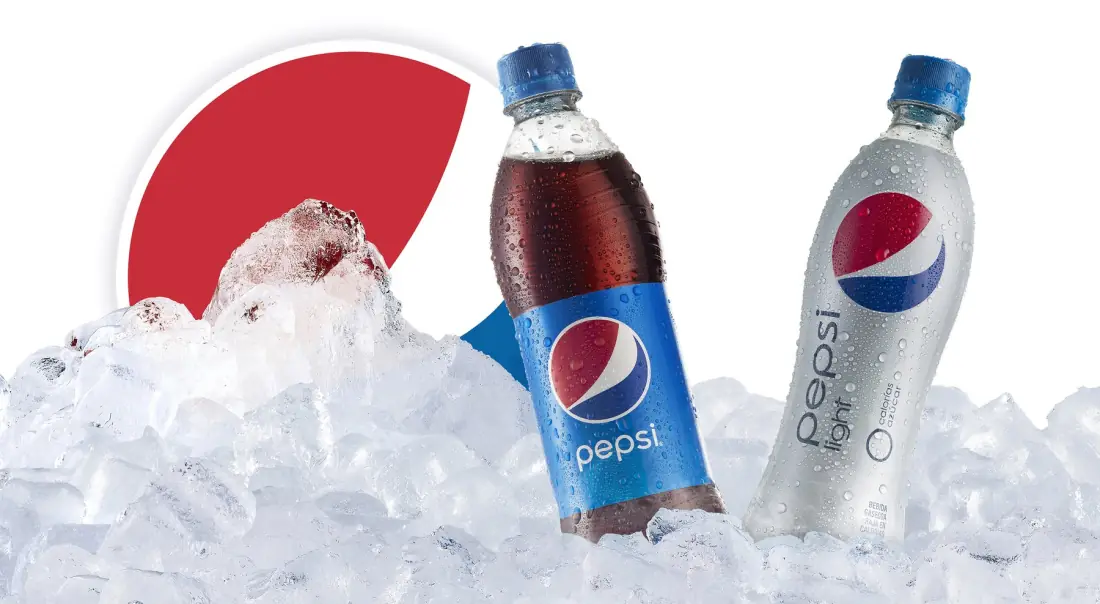
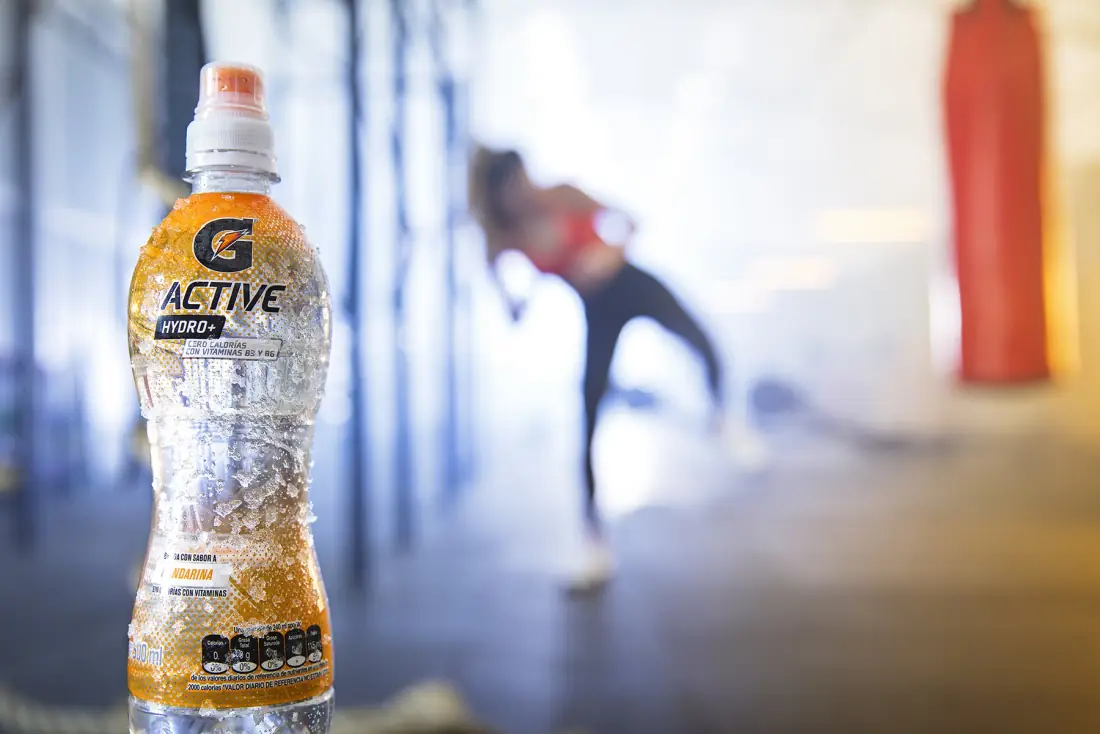
- Photographs that look like a photograph and not like an advert, which consistently outperform on Meta
- A few deliberately unpolished, real-moment frames, because on social they often beat the polished ones
- Short motion clips from the same setup, since video placements are where the cheap reach is
Test the photograph, not just the caption
Most small accounts test headlines and audiences and leave the image alone. That is backwards. The image is the first thing seen and the biggest swing in performance. Two genuinely different photographs of the same product will usually separate further than two headlines ever will.
We run the creative and the campaign together for this reason. If you are already working with someone on ads, that is fine too, and they will be glad of the library. More on how we run paid media.
Photography by Allen Velasquez. Used with permission. See his portfolio
Common questions
Ad creative, answered
How many images do I need to launch a campaign?
Three to five genuinely different concepts, each in the formats above, is a real starting point. Below that you are not testing, you are guessing. One image is how people conclude that advertising does not work.
Should I be using video instead of photos?
Both, and they should come from the same day. Video placements are usually cheaper to reach people on, but stills still carry the feed, the search partners and every retargeting placement. Shooting them together is most of the cost saving. See the video page.
Can I just use my phone for ad creative?
For some things, honestly yes. A genuine behind-the-counter clip shot on a phone can outperform a studio image on Reels, and we will tell you when that is the right call rather than sell you a shoot. Where a phone reliably loses is anything where the product has to look better than the customer expects: food, drink, anything with a reflective surface.
Do you run the ads as well?
Yes, and that is usually the right way round. Photography briefed by the person who has to spend the budget produces different frames from photography briefed by nobody. More on our advertising work.
Keep going
Where to next
Next step
Let us look at what you have got.
Send over your website, your Google profile, whatever photography you already own. We will tell you straight what is worth keeping, what is costing you, and whether you need a shoot at all. No charge and no pitch attached to it.