
How we shoot
One day, planned properly, is a quarter of marketing.
The expensive part of a shoot is not the shutter. It is getting a photographer, a stylist, your product, your team and your space into the same room with the lights up. Once that has happened, every additional frame is nearly free, and almost nobody exploits it.


Why a typical shoot wastes most of its own value
A normal booking goes like this. A business needs photos for a new website. A photographer comes, shoots the website photos, delivers the website photos, and leaves. Everyone is happy.
Six weeks later the same business needs square images for a Meta campaign, and does not have any. Three months later they need vertical clips for Reels, and do not have any. In December they need something seasonal and shoot it on a phone.
Nothing went wrong, exactly. The shoot did what it was booked to do. It is just that the setup was paid for once and used for one purpose, when the marginal cost of the other three was an extra twenty minutes each.
The lights were already up. That is the entire argument.
What gets covered
Five outputs from one setup
The planning is what makes this work. Every scene is shot knowing the four or five places it has to land, so the crops and the formats come off the same lighting rather than out of a second booking.
Website set
The hero, the section images and the real photographs of your people and your space, framed with room to crop for both a wide desktop layout and a tall phone one.
Product or food set
Your actual bestsellers and your best-margin items, shot clean for listings and styled for the ones that have to sell.
Google profile set
Exterior from the direction customers arrive, interior busy rather than empty, the team, and the service actually happening. The categories Google asks for.
Ad creative set
The same subjects in vertical, portrait, square and landscape, with deliberate empty space where an offer or a headline has to sit.
Motion set
Short vertical clips captured from the same scenes while the lighting is already right, for Reels, Stories and video ad placements.
What you get back
Delivered ready to use, not as a folder to sort out
- Retouched full-resolution masters, yours to keep
- Web-optimised WebP versions at the sizes your site actually renders
- Square, portrait and vertical crops of everything that needs them
- Files named properly, by dish or SKU, not DSC_0918
- Alt text written for every image that goes on the site
- The images placed on your site, uploaded to your Google profile and loaded into your ad account, rather than handed over for you to deal with
That last point is the one that separates this from booking a photographer. A folder of retouched JPEGs is a raw material. What most businesses actually need is the frames already cropped, already sized, already named, already on the site, already in the Google profile, and already queued in a calendar.
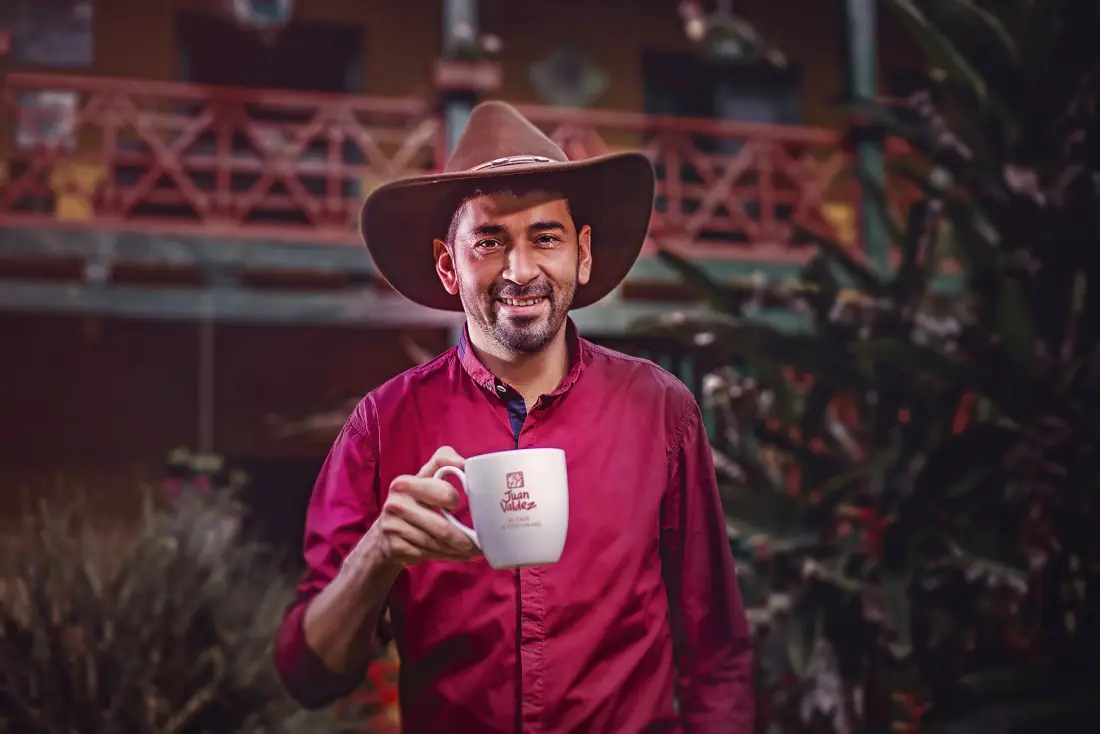
Photography by Allen Velasquez. Used with permission. See his portfolio
Cadence
How often is worth doing
| Business | Sensible rhythm | Why |
|---|---|---|
| Restaurant or cafe | Quarterly | Menus change with the season and food content burns fastest |
| Retail or e-commerce | Per range, plus seasonal | New stock needs listings before it can sell |
| Services and trades | Twice a year | Crew, vehicles, completed jobs and the before-and-after sets |
| Salon, spa, studio | Twice a year | Space, team and results, refreshed as staff change |
| Professional services | Annually | Portraits and the office, plus anyone new |
Common questions
Content days, answered
How long is a content day?
Usually six to eight hours on site, plus planning beforehand and retouching afterwards. Half days exist and suit a single product range or a team portrait session. The full day is where the economics really work, because the setup cost is spread across far more output.
Do we have to close?
Rarely. Most of it gets shot before opening, between services or on a quiet day. For a restaurant we normally work around service rather than through it. Some of the best frames come from shooting while you are genuinely busy, because a room full of people photographs like a room full of people and an empty one never does.
What do we need to have ready?
More than you would think, and it is worth doing properly. There is a full prep list on how a shoot works. The short version: clean uniforms, the space tidied, product in stock, and someone available who can make decisions without phoning anyone.
Can we do this without the marketing side?
Yes. Book Allen directly and he will shoot you a content day. What you would be doing yourself is the deployment afterwards, which is genuinely the larger half of the work and the reason the frames end up earning anything.
Keep going
Where to next
Next step
Let us look at what you have got.
Send over your website, your Google profile, whatever photography you already own. We will tell you straight what is worth keeping, what is costing you, and whether you need a shoot at all. No charge and no pitch attached to it.