How we shoot
Nobody tells you what actually happens on the day.
If you have never booked a commercial shoot, the whole thing is opaque, and that opacity is most of why people put it off. So here is the entire process, including the parts that are your job and the parts that go wrong when they get skipped.
The process
Six stages, about three weeks end to end
The brief
We work out what the photographs have to do, which is a marketing question before it is a photography one. Which pages, which campaigns, which listings, which products. That produces a written brief rather than a vague hope for some nice photos.
The shot list
Every frame, named, with its format and its destination. This is the document that stops a shoot drifting, and it is why a planned day produces four times what an unplanned one does. You approve it before anyone books a date.
Prep
Your list and ours. Space, product, team, wardrobe, props, access, parking, power. Usually a week or two, and it is the stage people underestimate.
The shoot
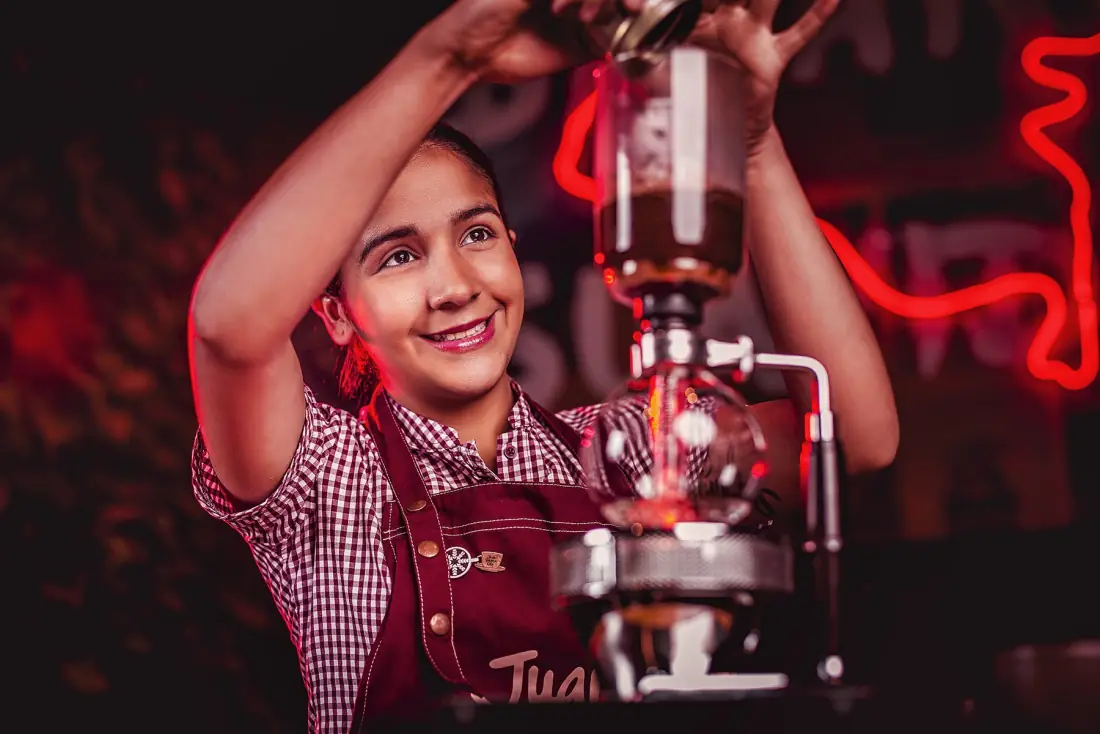
Half a day or a full day on site. Allen shoots, we run the list and keep the day moving, and you approve frames on the laptop as they happen.
Selection and retouching
You get a gallery of the day's selects and choose. Those get retouched properly, in house. Usually three to seven working days depending on volume.
Deployment
Crops, formats, compression, file names, alt text, and the images actually placed on your site, your Google profile, your listings and your ad account. This is the stage that normally does not happen, and it is the one that makes the shoot pay.
Your half
The prep list, which decides how good the day is
Almost every disappointing shoot we have heard about was a preparation failure, not a photography failure. This is the unglamorous list, and it matters more than anything about the camera.
- The space cleaned properly the night before, including the parts you have stopped seeing
- Anything broken, chipped, peeling or faded fixed or moved out of frame
- Clean, consistent uniforms or a wardrobe brief if there is no uniform
- Product in stock, unopened, with undamaged packaging and labels facing forward
- For food: every ingredient in, plus spares, because the first plate rarely photographs best
- Signage clean, bulbs all working, and anything with a competitor's branding removed
- Someone on site all day who can make a decision without phoning anyone
- Model releases sorted for any staff or customers who will be recognisable
The one that catches everybody
Have a decision-maker on site for the whole day. Not reachable by phone. There. Half the questions on a shoot are small and immediate, and every one that has to wait for someone to call someone back costs fifteen minutes of a paid day.
On the day
What it actually feels like
Slower and more technical than people expect, and much less dramatic. A single hero frame can take forty minutes of moving one light a few inches at a time. Then the next eight shots take ten minutes each, because the hard part is already solved.
There is a laptop, and you can see the frames as they are shot. If something is wrong, say so then. It costs nothing to fix while the set is up and a great deal to fix a week later.
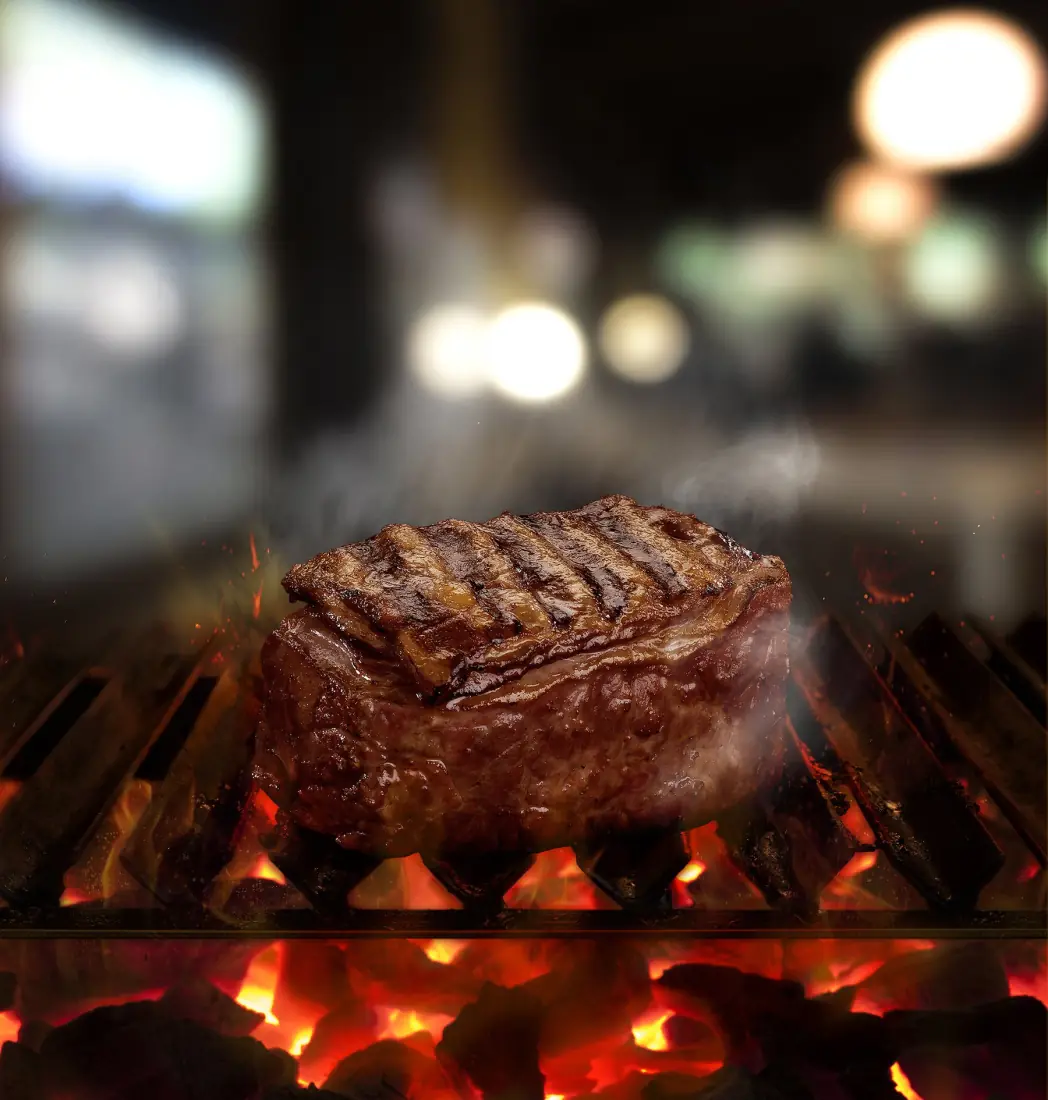
For food, dishes get plated fresh and photographed within a few minutes, so the kitchen is working to a running order rather than sending everything at once. For people, the first twenty minutes are usually wasted because everyone is self-conscious, and that is normal and expected. It passes.
The good frames are almost never the first ones. Book the time to get past the awkward part.
Three recent shoot days, filmed on set.
Common questions
The process, answered
How far ahead do we need to book?
Two to three weeks is comfortable, mostly for prep rather than availability. Seasonal work needs more, because a Christmas shoot happens in October if the images are going to be ready in time to use.
Can we be on set?
You should be. Someone who knows the business catches things a photographer cannot: the dish that is not plated the way you serve it, the detail a regular would notice. You just should not be the only person who can answer a question.
What if we do not like the photos?
You see them as they are shot, on a laptop, so this is a problem that gets caught on the day rather than discovered afterwards. If a frame is not right we reshoot it while the set is still up. That is exactly why the laptop is there.
Do we need a stylist?
For food, usually yes, and it is often the difference between good and genuinely excellent. Allen handles styling on most shoots. For a large or complicated production, a dedicated stylist is worth the line item and we will say so.
Keep going
Where to next
Next step
Let us look at what you have got.
Send over your website, your Google profile, whatever photography you already own. We will tell you straight what is worth keeping, what is costing you, and whether you need a shoot at all. No charge and no pitch attached to it.