
Where the photos go
A photograph next to a dish changes what people order.
Not whether they order. What they order. Put a picture beside one item on a menu and that item starts outselling its neighbours, which means the decision of which dishes to photograph is a margin decision. Most restaurants make it by accident.
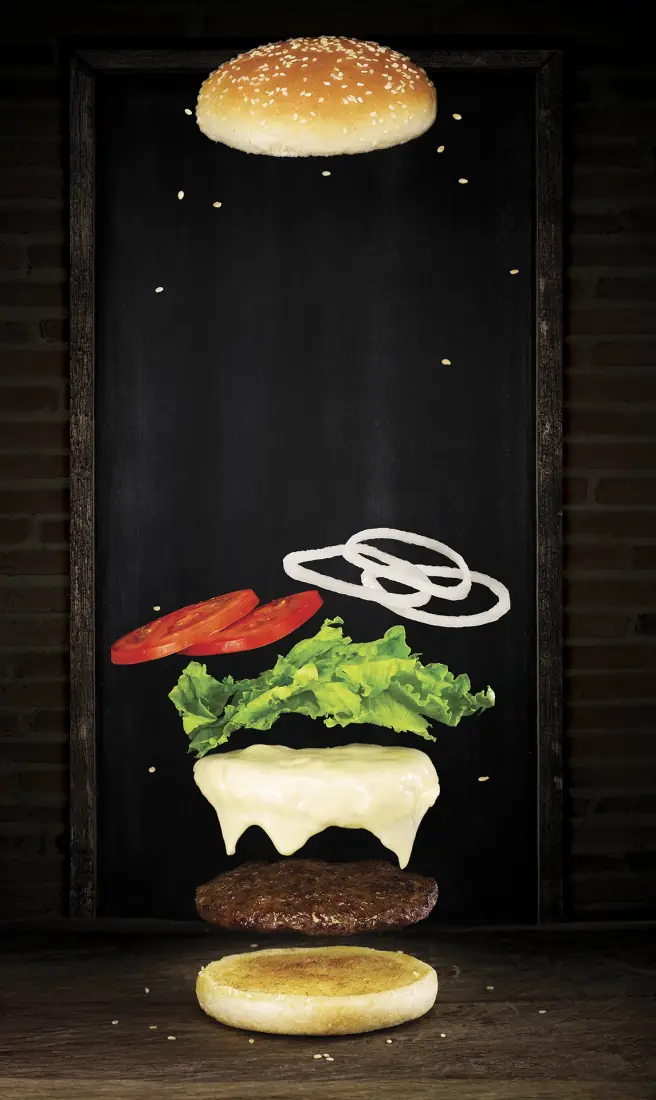
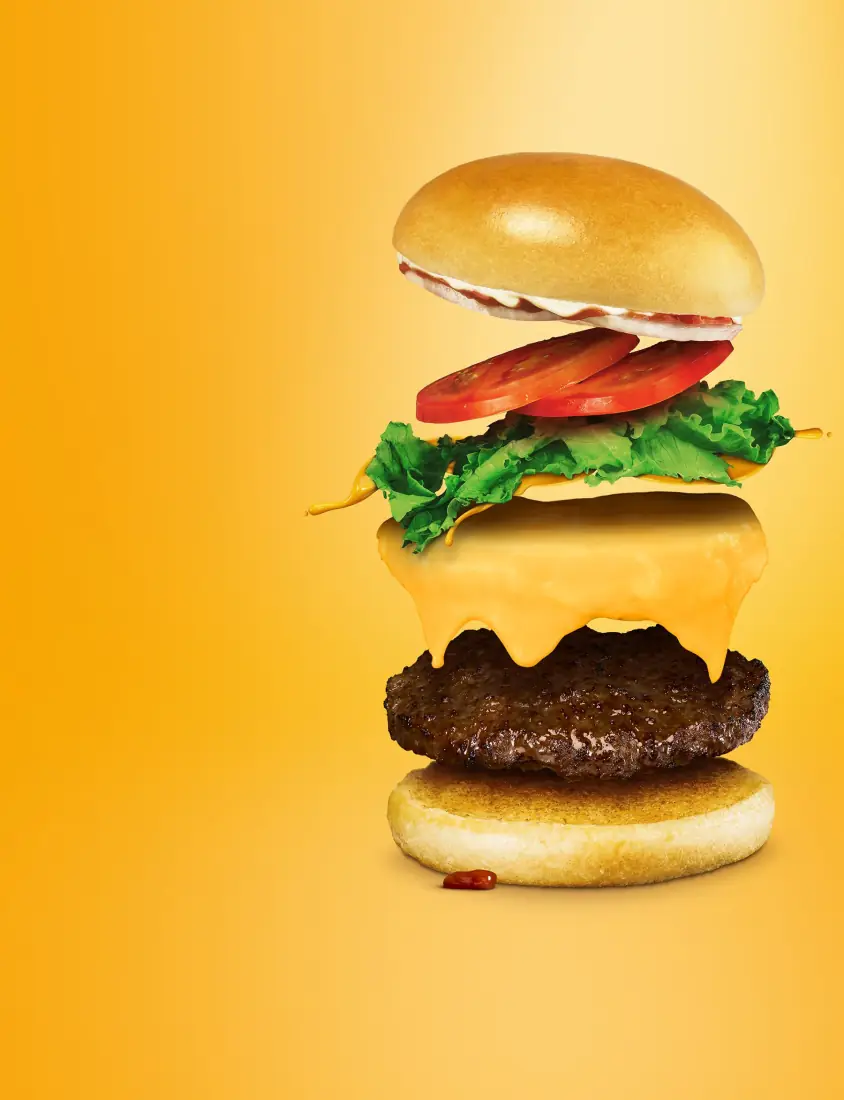
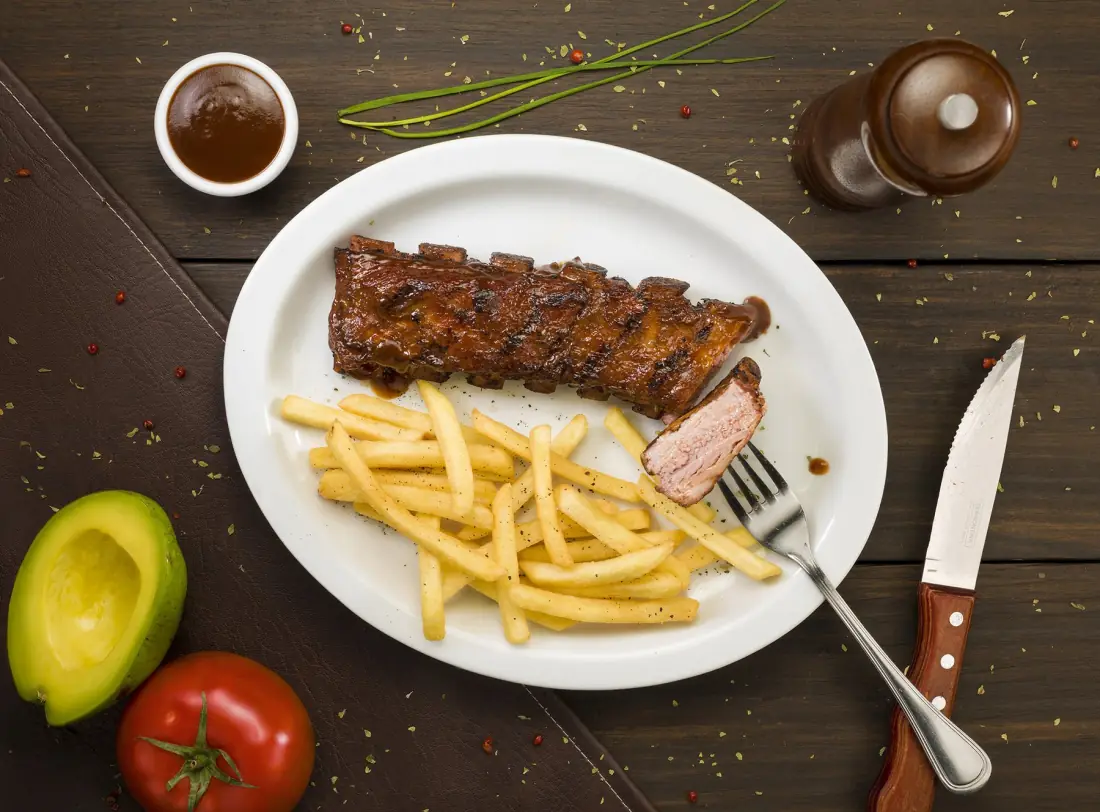
Shoot the dishes that make you money
The instinct is to photograph the favourite, or the one the chef is proudest of. The better instinct is to photograph the ones with the best margin that people are not ordering enough of, because that is where the photograph actually moves something.
We usually end up with a short list drawn from three places: your highest margin items, your genuine signatures, and anything the kitchen knows is underordered but brilliant. That list is the shot list, and it typically runs eight to fifteen dishes rather than the whole menu.
A menu with a photograph on every item stops looking like a restaurant and starts looking like a diner laminate. Restraint is doing work.
Photograph less of the menu than you think
Too many images and the page reads cheap, and the individual photo stops meaning anything. A handful of well-placed pictures signals confidence. Every item pictured signals a chain.
The delivery apps
Where the photo has to survive somebody else's layout
DoorDash, Uber Eats and Grubhub all crop your image to their own tile, usually to a square or a shallow landscape. They do not ask. A tall, beautifully composed plate photograph gets its top and bottom cut off, and you find out when orders do not come.
- Composed square-safe, with the dish centred and nothing critical near an edge
- Shot bright and high contrast, because app compression flattens a moody photograph into mud
- One dish per frame, no styled group shots, because the tile is tiny
- Consistent angle across the menu so the listing page reads as one restaurant
- Exported at the size each app actually wants, rather than one file uploaded everywhere
The apps are also where the photograph has the most direct effect on revenue, because the customer is choosing between tiles with no menu description in front of them and no server to ask. On a delivery app the picture is very nearly the entire decision.
Every surface it has to work on
One dish, six placements
| Placement | What it needs |
|---|---|
| Printed menu | CMYK, 300 dpi, and a colour proof, because food on uncoated stock goes flat and muddy |
| Menu board or window | Very large, shot with room to crop, and readable from across a car park |
| Website menu | Small, fast, consistent crop down the page |
| Delivery apps | Square-safe, product centred, bright enough to survive their compression |
| Google profile | Uploaded individually against the food category |
| Social and ads | Vertical and square cuts from the same frame |
All six come out of one shoot if the frames are composed for it from the start. That is the whole argument for briefing a shoot against where the pictures are going, rather than turning up and photographing food.
Photography by Allen Velasquez. Used with permission. See his portfolio
Common questions
Menu photography, answered
How long does a menu shoot take?
A day covers eight to fifteen dishes comfortably, including styling and plating time. The constraint is almost never the camera, it is the kitchen, since each dish has to be plated fresh and looks its best for a few minutes. We plan the running order with the chef around service.
Do we shoot during service?
Usually before or between services. Shooting mid-service is possible for atmosphere and for the crew photographs, and it is often where the best pictures of the room come from, but the plated food gets shot when the kitchen has room to breathe.
Does the food get wasted?
Less than people expect. Plates get eaten by the staff afterwards, and we work through them in an order that lets the kitchen re-use components. Nothing is sprayed with varnish or made of plastic. It is the real dish, which is the point, because a customer who orders it should recognise what arrives.
We are a small place. Is this worth it for us?
Often more than for a big one, because you are competing on the same delivery app tiles and the same Google gallery as a chain with a marketing department. Good photography is one of the few places where a fifteen-table restaurant can straightforwardly outclass them. Also worth reading: restaurant websites.
Keep going
Where to next
Next step
Let us look at what you have got.
Send over your website, your Google profile, whatever photography you already own. We will tell you straight what is worth keeping, what is costing you, and whether you need a shoot at all. No charge and no pitch attached to it.